 Nurse Learning Hub
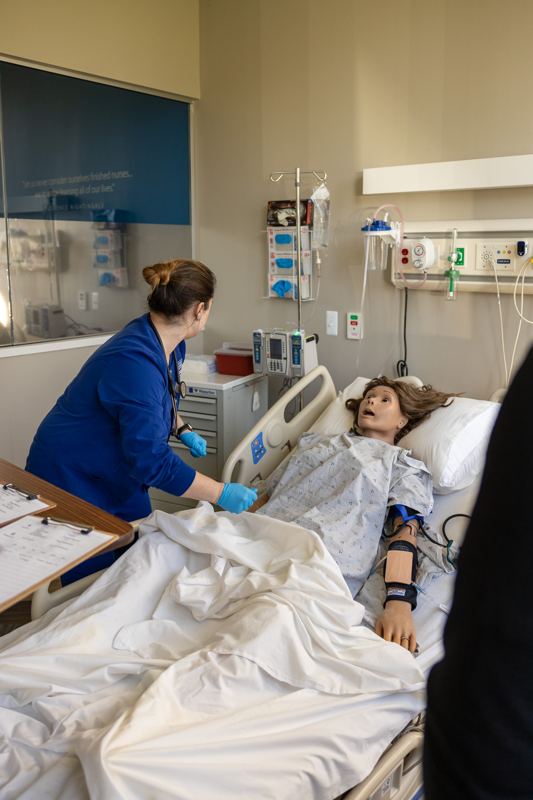
Clinical skills
The clinical reasoning cycle: 8 steps with a worked example
Learn the 8 steps of the clinical reasoning cycle (Levett-Jones) with a worked ward example – a study guide for nursing students and new graduates.
Read article →Study guides grouped the way nurses work – pick a topic and start learning.
Assessment, clinical judgement and recognising when a patient is getting worse.
Learn the 8 steps of the clinical reasoning cycle (Levett-Jones) with a worked ward example – a study guide for nursing students and new graduates.
Read article →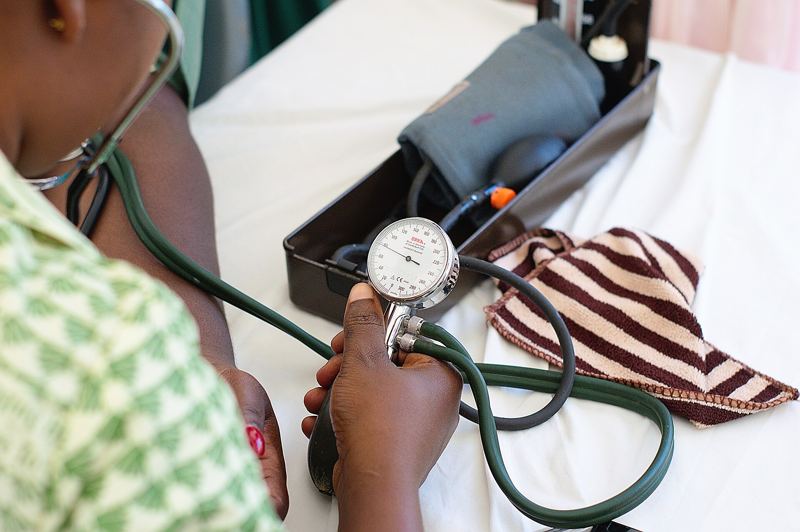
How nurses recognise early warning signs of clinical deterioration, use observation charts and escalate care under NSQHS Standard 8 – a practical guide.
Read article →Safe administration, high-risk medicines and the checks that prevent errors.
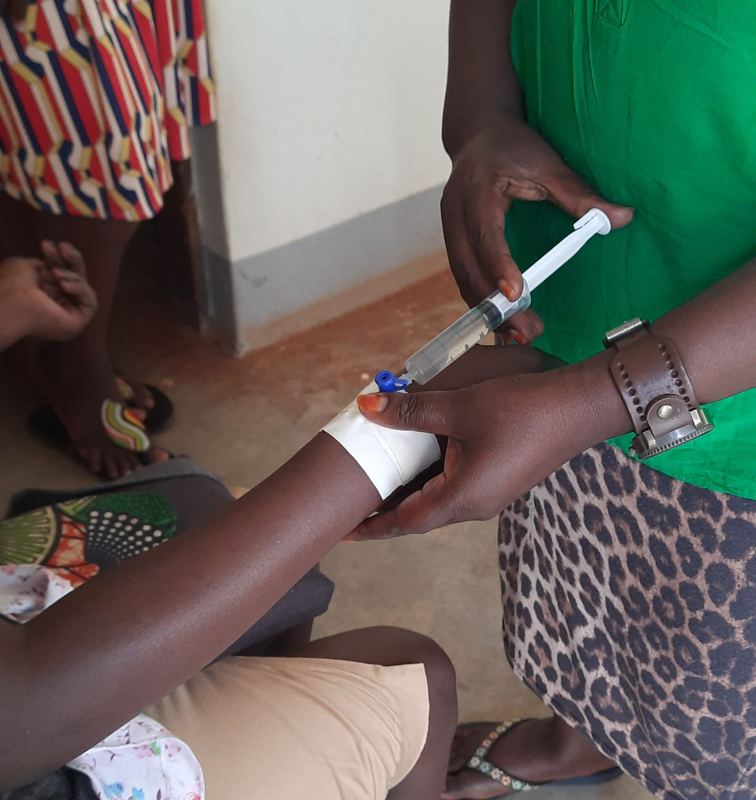
The rights of safe medication administration, high-risk medicines (APINCHS), and practical checks nurses use to prevent medication errors in Australia.
Read article →Structured communication for safer handover and escalation.
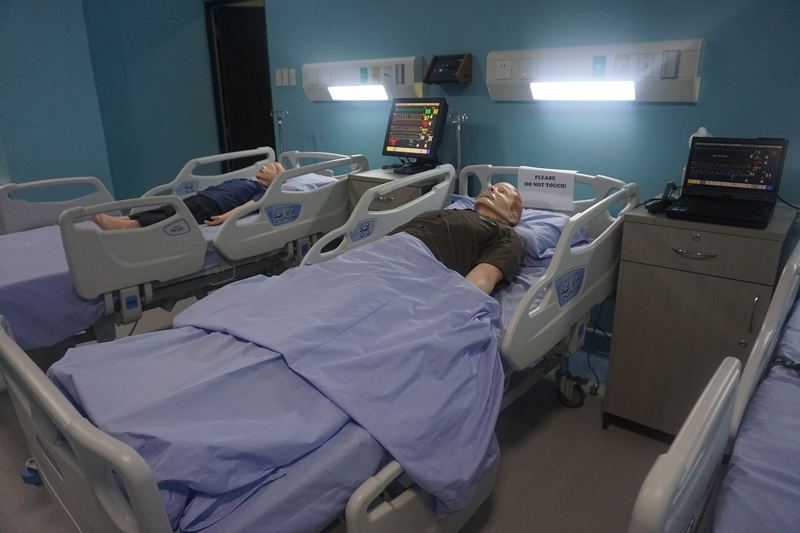
How to use ISBAR (Identify, Situation, Background, Assessment, Recommendation) for clinical handover and escalation, with a phone-call example and template.
Read article →Standard precautions and the habits that stop infections spreading.

The 5 Moments for Hand Hygiene explained with clinical examples, plus glove use and the National Hand Hygiene Initiative in Australian healthcare.
Read article →Registration, CPD, reflection and the NMBA standards for practice.

How many CPD hours Australian nurses and midwives need, what counts, how to document it and what to keep for an NMBA audit – in plain English.
Read article →
A step-by-step checklist for renewing nursing or midwifery registration with Ahpra: CPD, recency of practice, indemnity insurance, declarations and key dates.
Read article →
How to write a reflection for nursing CPD or university using Gibbs' reflective cycle, with a worked example and tips for meaningful reflective practice.
Read article →