 Nurse Learning Hub
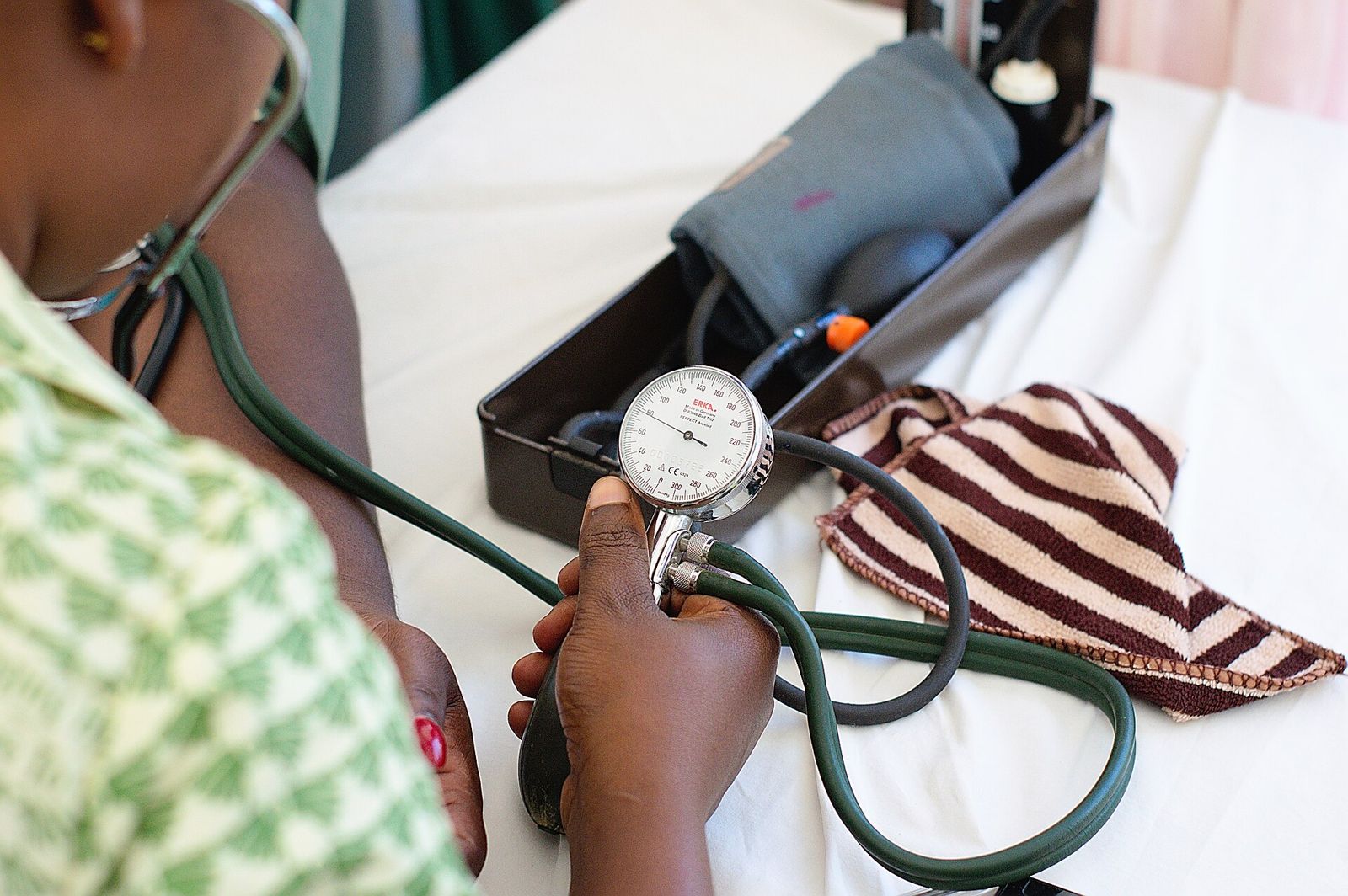
Patients rarely deteriorate without warning. Abnormal observations often appear hours before a cardiac arrest, unplanned ICU admission or death. The Recognising and Responding to Acute Deterioration Standard (NSQHS Standard 8) requires every health service to have systems so that deterioration is recognised early and responded to promptly – and nurses, who are with patients around the clock, are central to it.
Early warning signs
- Rising respiratory rate – often the earliest and most sensitive sign, and the most frequently missed.
- Falling oxygen saturation or increasing oxygen requirement.
- Rising heart rate, or a new arrhythmia.
- Falling or very high blood pressure.
- Fever or hypothermia.
- New confusion, agitation or drowsiness.
- Reduced urine output.
- New or increasing pain.
- Your own worry – or the patient's or family's concern that “something is not right”.
Observation charts and early warning scores
Australian hospitals use standardised observation charts with colour-coded zones or early warning scores – for example the Adult Deterioration Detection System (ADDS), state variants such as Between the Flags in NSW, and separate charts for children and maternity patients. Each chart links a zone or score to a required response: increased monitoring, a senior nurse review, a medical review within a set time, or a rapid response call.
Learn your local chart thoroughly – its thresholds and required responses are what you must follow.
Escalating effectively
- Act on what you see. Do not wait for the next round of observations if you are worried.
- Use your escalation pathway as written on the chart and in local policy.
- Communicate with structure – use ISBAR and state the response time you need.
- Start first-line actions within your scope while you wait (positioning, oxygen per protocol, increasing observation frequency).
- Escalate again if the response does not arrive or the patient keeps deteriorating.
- Document observations, who you called, when, and the plan.
Patient and family escalation
Standard 8 also requires a way for patients, families and carers to escalate concerns directly. Many states run family-activated escalation programs (for example “REACH” in NSW or “Ryan's Rule” in Queensland). Make sure patients know how to use them.
Sources and further reading
- ACSQHC – Recognising and Responding to Acute Deterioration Standard
- Australian Commission on Safety and Quality in Health Care – NSQHS Standards
- ACSQHC – Communicating for Safety Standard