 Nurse Learning Hub
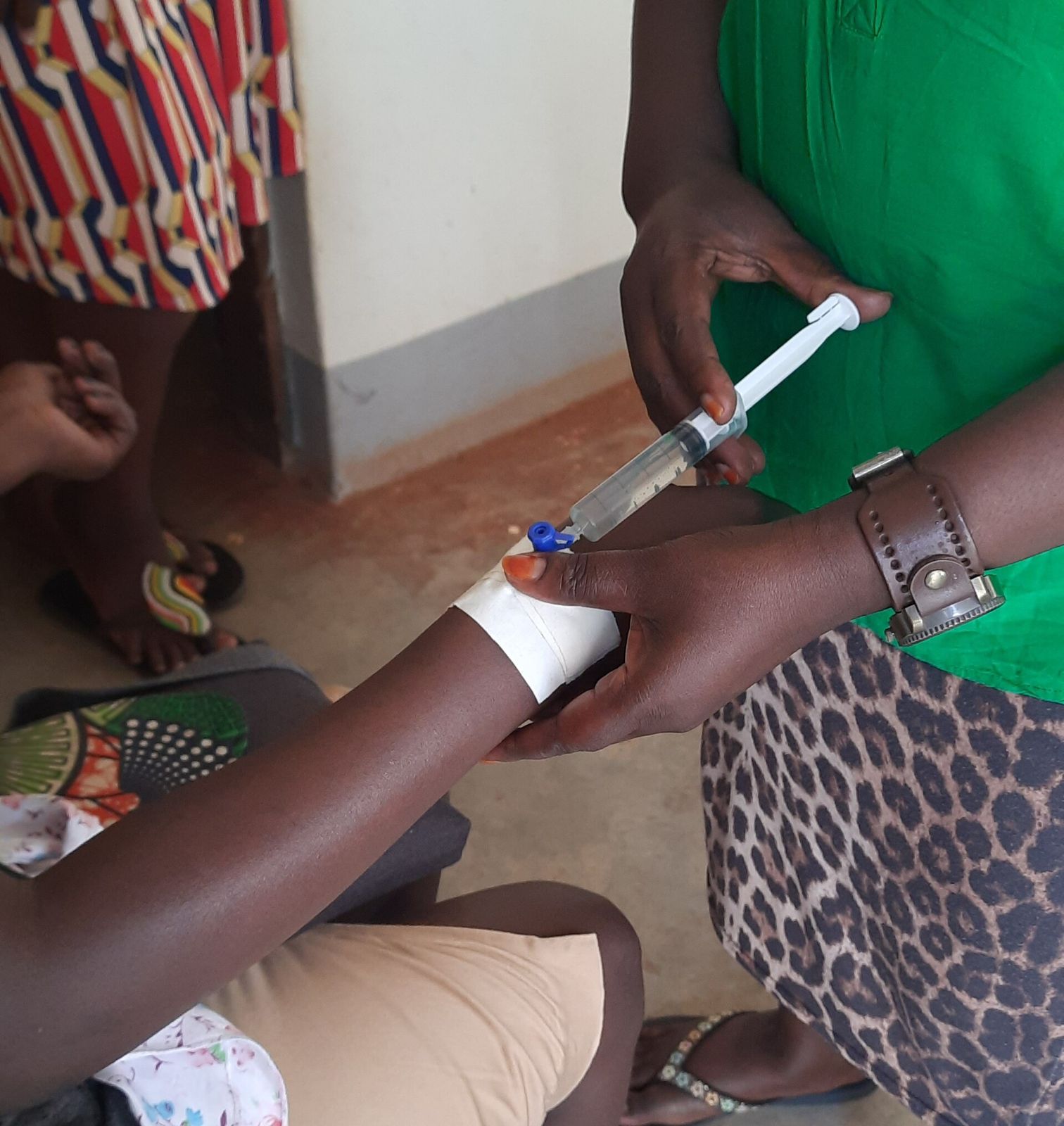
Medication administration is one of the most frequent things nurses do – and one of the most common sources of preventable harm. The Medication Safety Standard (NSQHS Standard 4) sets the system expectations; the “rights” are the personal checks you do every time.
The rights of medication administration
Different organisations teach between five and ten rights. The most commonly used are:
- Right patient – confirm identity with at least three approved identifiers (for example name, date of birth, medical record number) against the medication chart.
- Right medicine – check the label against the order three times; watch for look-alike, sound-alike names.
- Right dose – calculate carefully and double-check calculations; get an independent second check where policy requires.
- Right route – oral, IV, subcut, IM, topical… and the right form (e.g. modified-release must not be crushed).
- Right time – including frequency, timing relative to food and time since the last dose (especially PRN).
- Right documentation – sign immediately after administration, never before.
Many services add right reason (does the indication make sense for this patient?), right to refuse (informed consent), right response (monitor the effect) and right education (tell the patient what they are taking and why).
High-risk medicines: remember APINCHS
The Australian Commission on Safety and Quality in Health Care uses the acronym APINCHS for medicines that carry a higher risk of serious harm when something goes wrong:
- A – Antimicrobials
- P – Potassium and other electrolytes
- I – Insulin
- N – Narcotics (opioids) and other sedatives
- C – Chemotherapeutic agents
- H – Heparin and other anticoagulants
- S – Systems Systems (e.g. safe administration systems such as smart pumps and standard concentrations)ndash; evidence-based safety practices such as independent double-checks and oral dispensing syringes for liquid medicines
Practical habits that prevent errors
- Check allergies and adverse drug reactions before every first dose.
- Avoid interruptions during preparation – some wards use “do not disturb” vests.
- Use the National Inpatient Medication Chart (or your eMM system) exactly as designed; query unclear orders.
- Never administer a medicine prepared by someone else unless policy allows it and it is labelled.
- Label every line and syringe.
- Monitor the patient after administration, especially after opioids, sedatives and first doses.
- Report errors and near misses – incident reporting helps the system learn.
Drug calculations: practise regularly with the formula dose required ÷ stock strength × volume, and always ask “does this answer make sense?” before you draw up.
Sources and further reading
- ACSQHC – Medication Safety Standard
- Australian Commission on Safety and Quality in Health Care – NSQHS Standards
- ACSQHC – APINCHS classification of high-risk medicines
Reviewed October 2026. This article is general educational information, not clinical or legal advice. Standards and local policies change – always check the current version from the source and follow your organisation's procedures.